
 0-1
0-1 1+
1+ 2+
2+ 3+
3+ 4+
4+ 5+
5+
Montessori puzzles are more than just brightly colored pictures waiting to be pieced together. Designed with the philosophy of Maria Montessori in mind, these puzzles offer a unique approach to play that fosters a range of developmental skills in young children.
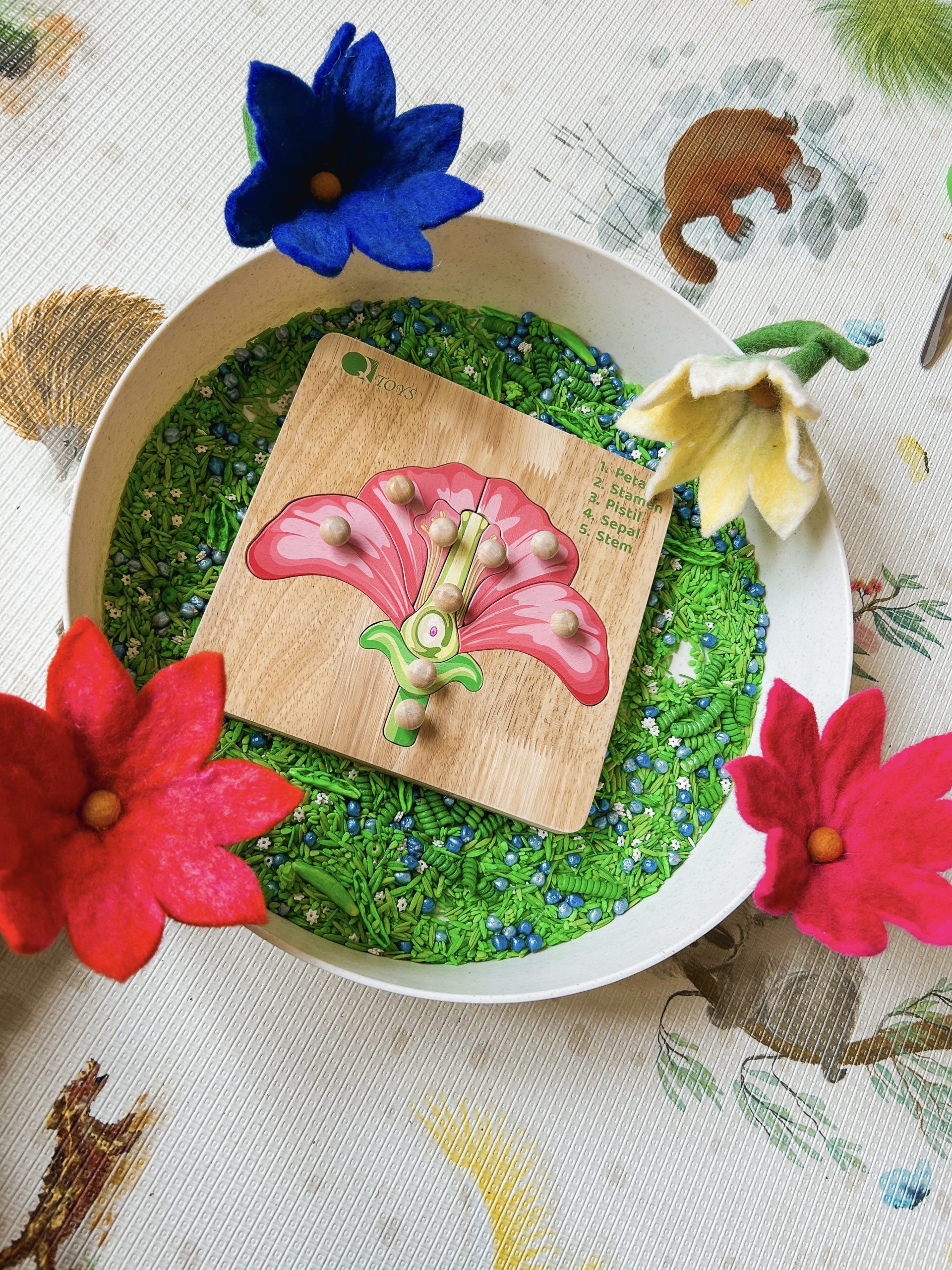
Building Strong Foundations
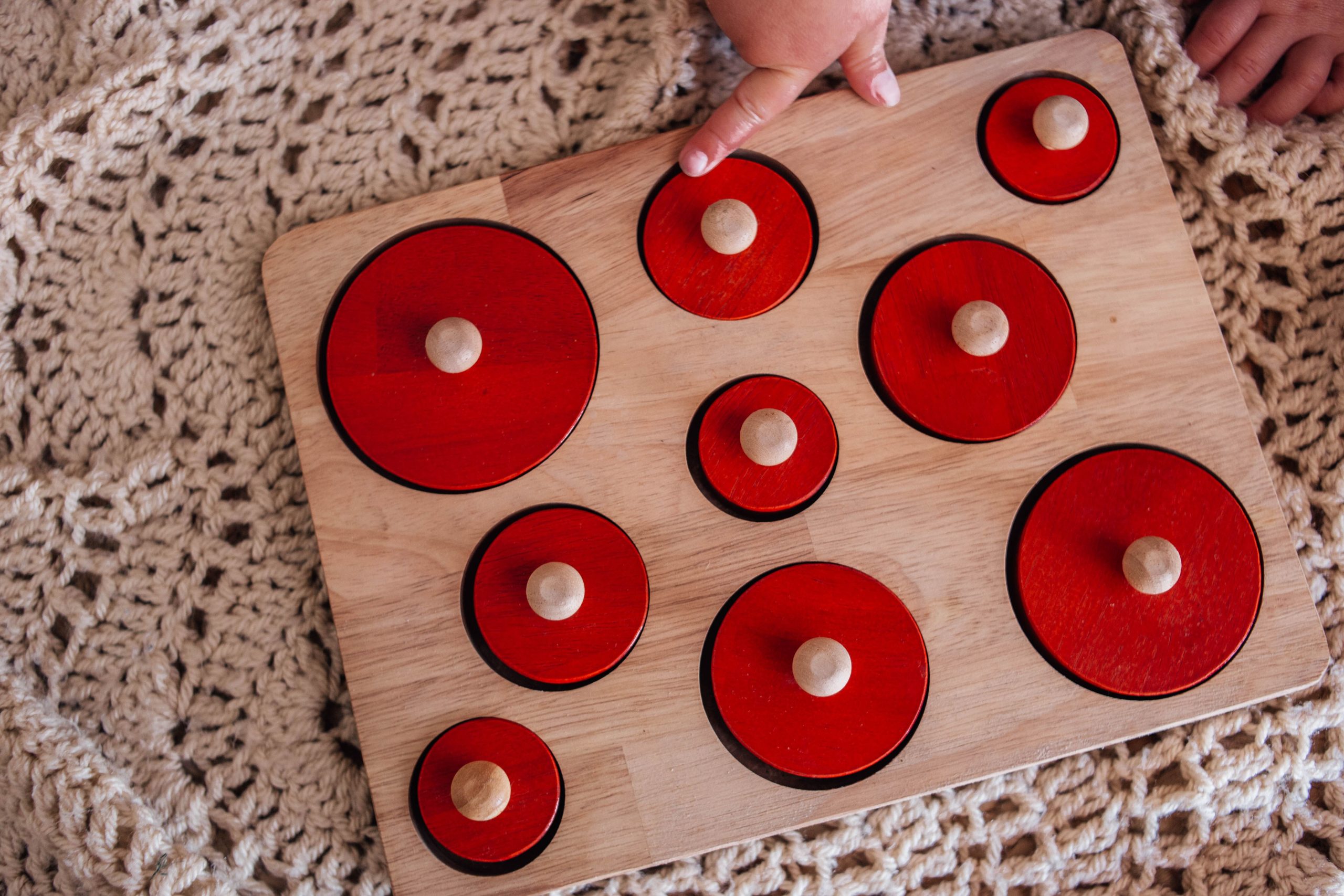
A core part of Montessori education is the importance of motor skills development. Montessori puzzles, often crafted from wood with chunky knobs or easy-to- grasp pieces, are perfect for little hands. Picking up, grasping, and manipulating the pieces strengthens fine motor skills, which are essential for future activities like writing and dressing independently.
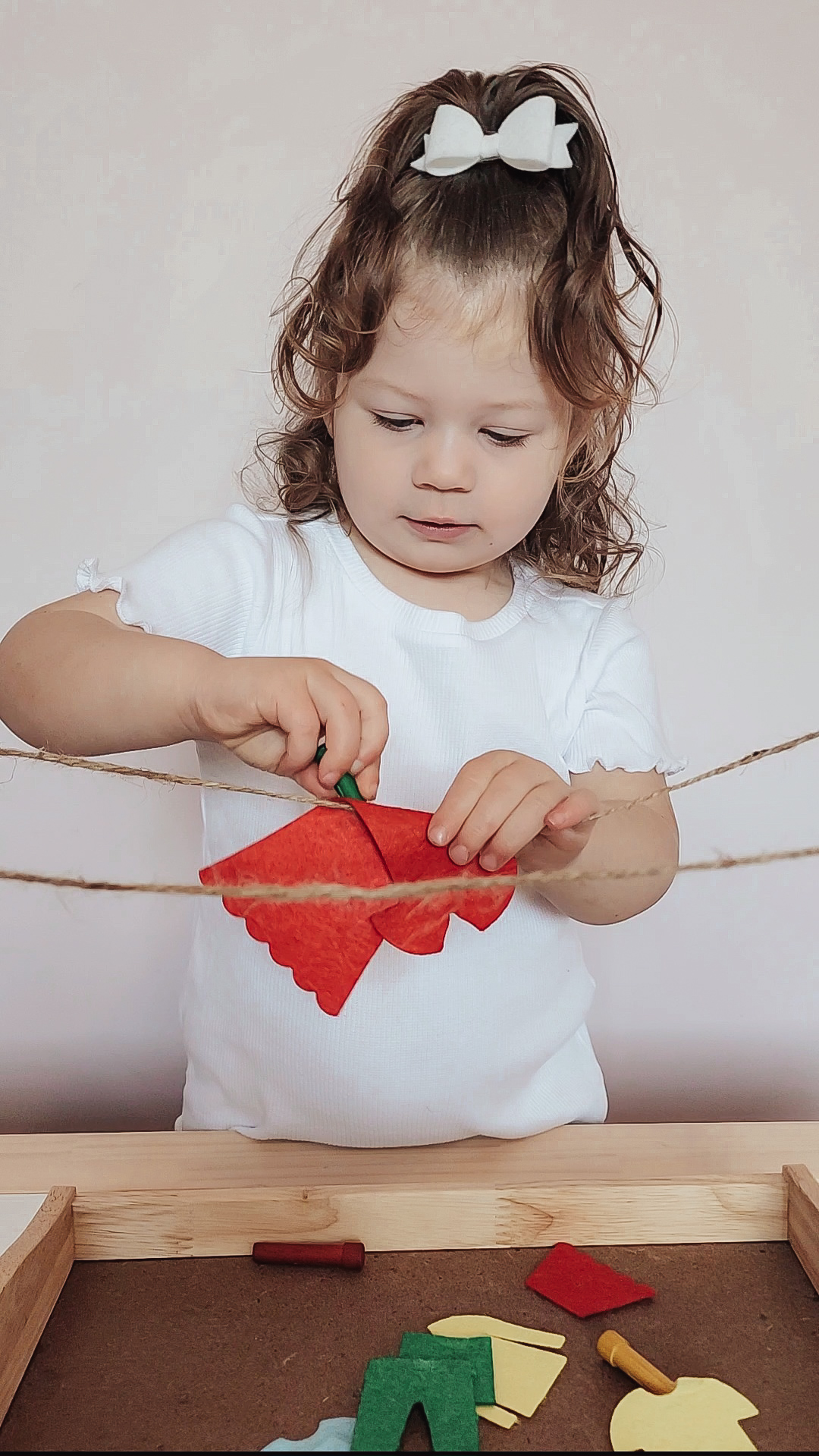
The Seeing Eye and the Steadfast Hand
Montessori puzzles go beyond basic motor skills by promoting hand-eye coordination. As children explore the shapes and sizes of the puzzle pieces, they learn to visually assess how pieces fit together and then translate that information into precise hand movements. This hand-eye coordination is crucial for everyday tasks and future academic endeavors.
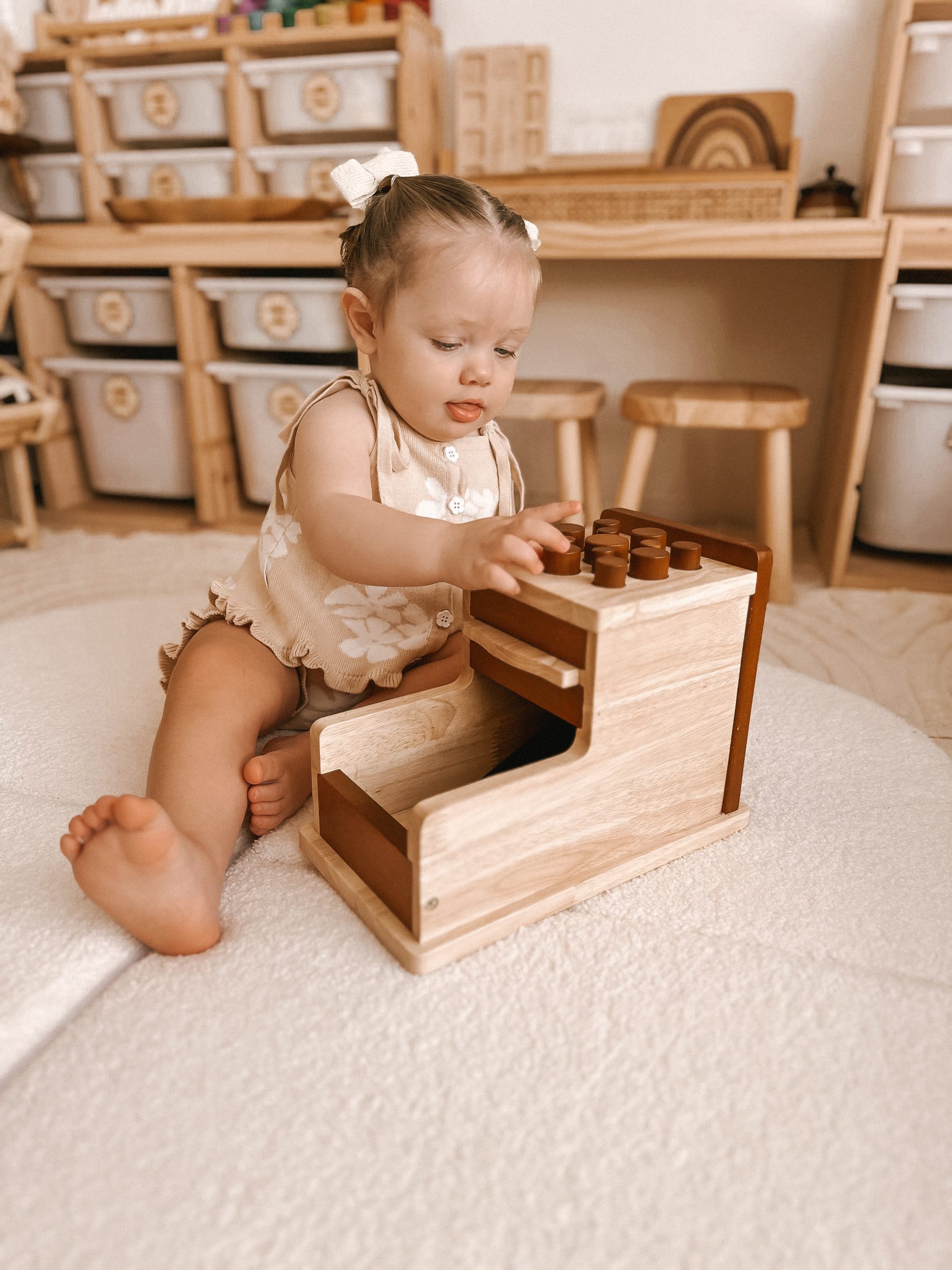
Sharpening the Mind’s Eye
Solving puzzles is a fantastic brain workout. Montessori puzzles, in particular, encourage spatial awareness as children visualize how the pieces will come together to form the complete image. This spatial reasoning is an important cognitive skill that applies to many areas of life, from navigating new environments to understanding math concepts.
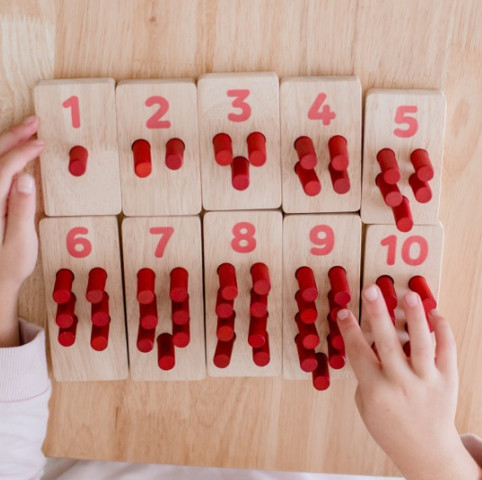
Problem Solving Champs
Putting together a puzzle requires trial and error, making Montessori puzzles excellent tools for fostering problem-solving skills. Children experiment with different placements, analyzing what works and what doesn’t. This persistence and exploration help them develop critical thinking abilities that will benefit them throughout their lives.
A World of Confidence
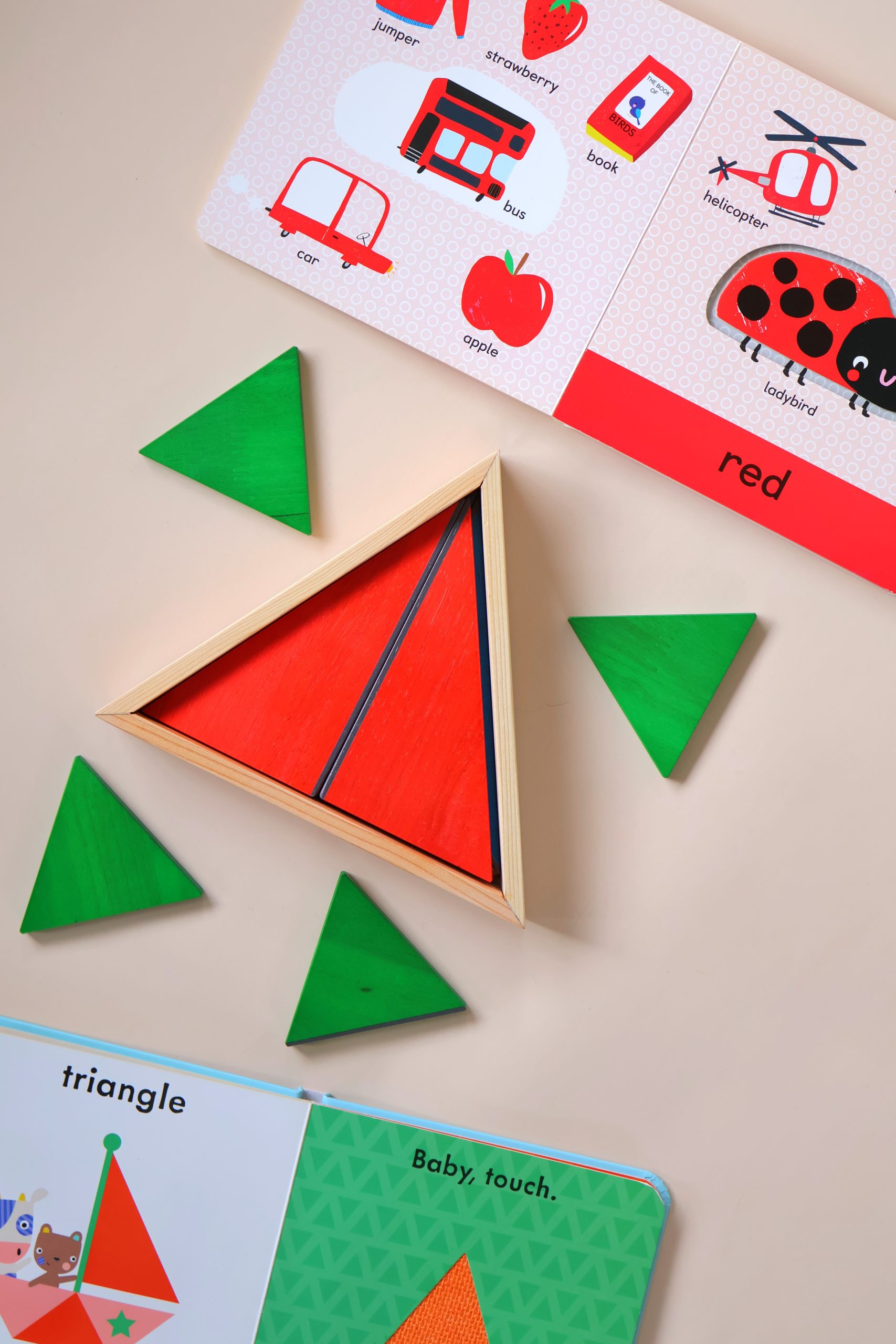
Successfully completing a puzzle is a rewarding experience, boosting a child’s confidence and sense of accomplishment. Montessori puzzles, designed with increasing difficulty levels, allow children to experience this satisfaction progressively. This builds their intrinsic motivation to learn and tackle new challenges.

More Than Meets the Eye
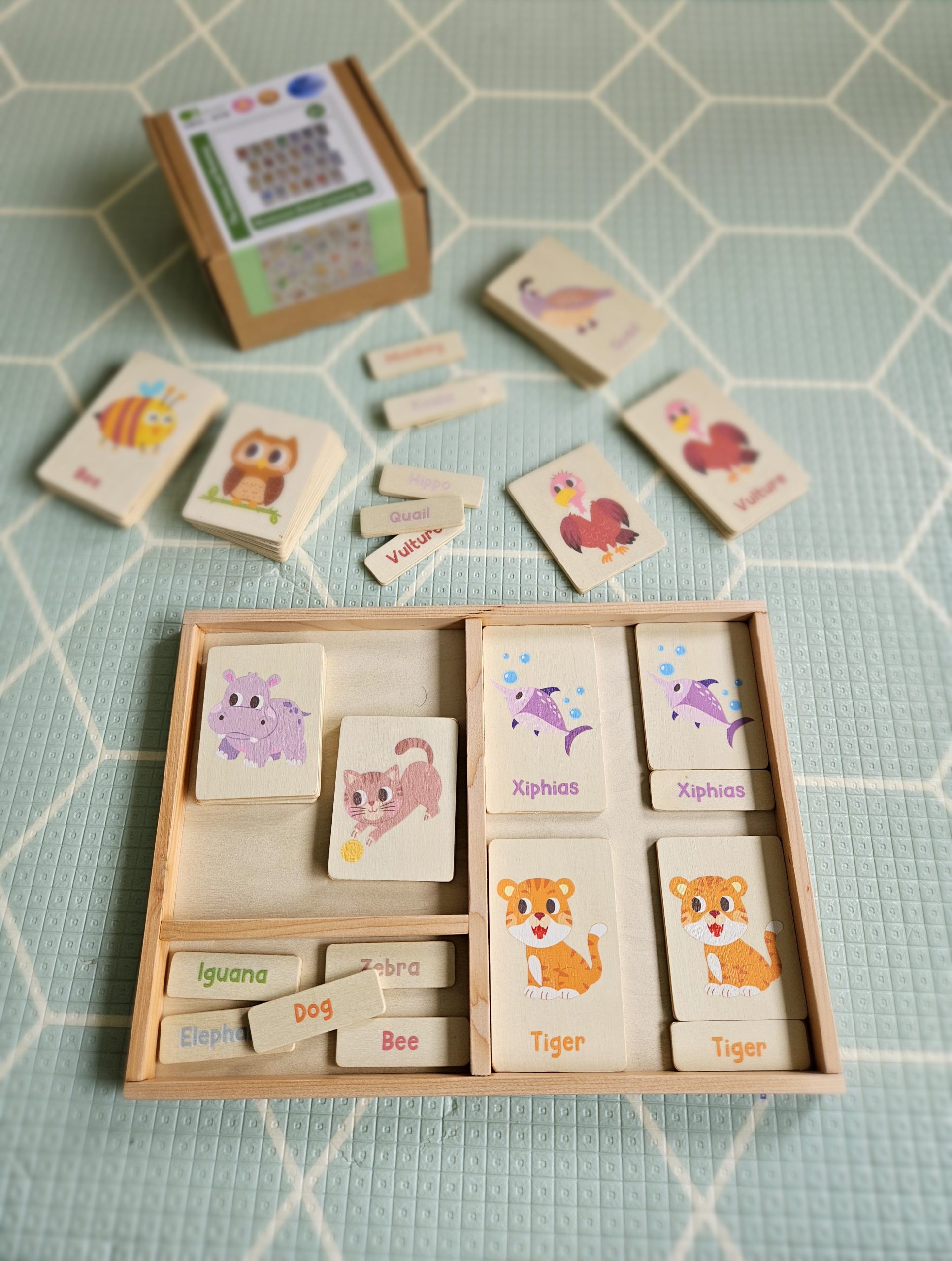
Many Montessori puzzles incorporate educational elements beyond basic shapes. These puzzles may feature numbers, letters, or even pictures of objects or animals. As children play, they are exposed to these concepts in a fun and engaging way, making learning a natural part of the play experience.
The Joy of Independent Play
Montessori puzzles are designed for self-directed play. Children can explore and solve the puzzles at their own pace, fostering a sense of independence and mastery. This allows them to develop a love of learning that will stay with them throughout their lives.
So, the next time you’re looking for a toy that’s both fun and educational, consider a Montessori puzzle. These beautifully crafted learning tools offer a wealth of developmental benefits that will give your child a strong foundation for future growth.