
 0-1
0-1 1+
1+ 2+
2+ 3+
3+ 4+
4+ 5+
5+
As parents and educators, we often face a dilemma: How do we teach children about the complexities of the modern world while keeping them grounded in nature?
We want them to understand STEM (Science, Technology, Engineering, Math) and appreciate the engineering marvels of our cities. Yet, we also want them to respect the environment, understand biodiversity, and feel a deep cultural connection to the land.
Qtoys is proud to introduce a dual collection that solves this problem by bringing the two worlds together: The Australian Wildlife Set and the Australian Iconic Buildings Set.
Together, these sets offer a complete “Small World” experience, allowing children to build a play space that truly looks and feels like Australia—from the red dust of the outback to the glittering heights of Melbourne.
1. The Australian Wildlife Set: Biology on the Playroom Floor
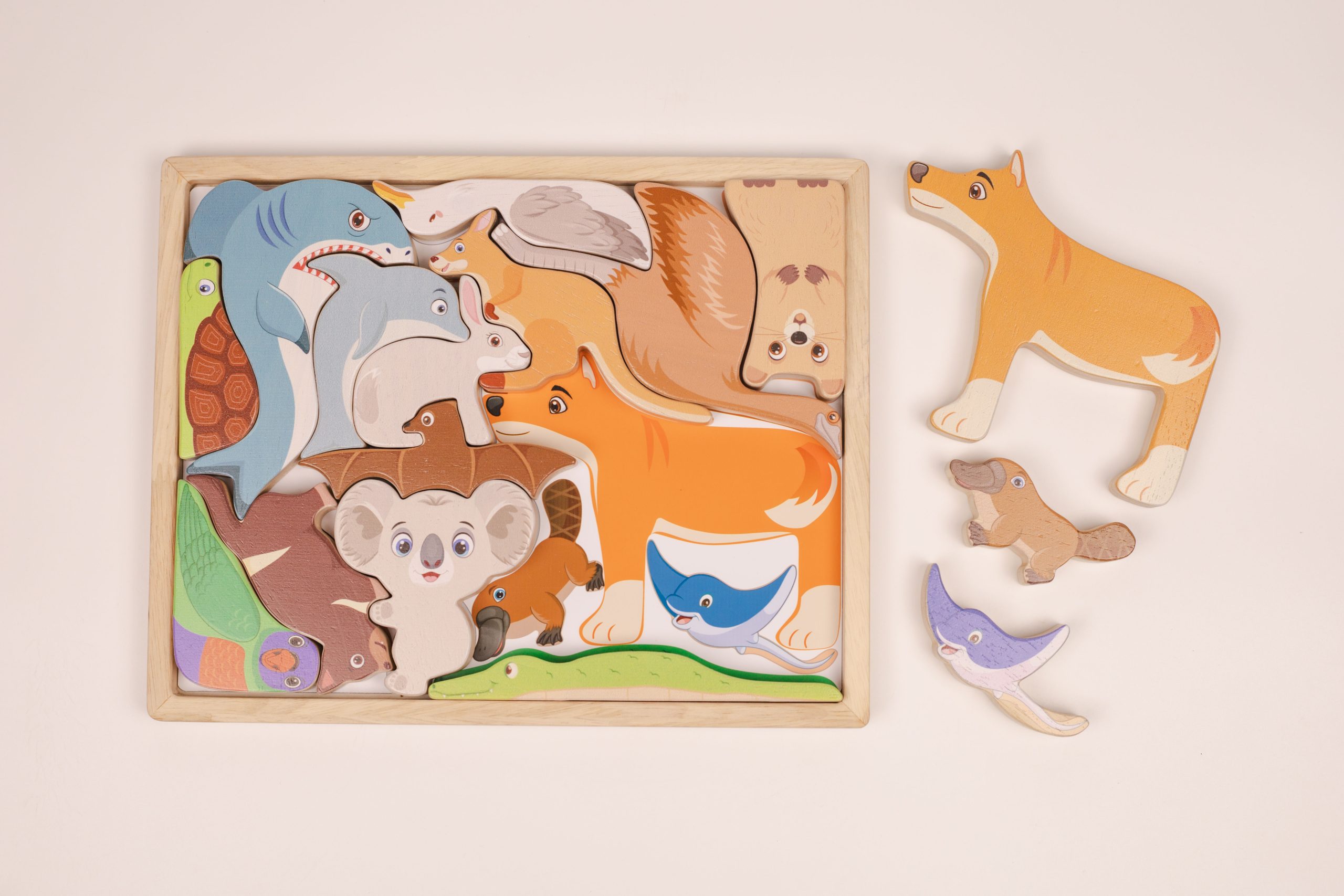 In a market flooded with lions, tigers, and bears, Australian children often grow up knowing more about the African savanna than their own backyard. This set changes the narrative.
Featuring tactile, hand-carved replicas of our most unique fauna—from the bounding Kangaroo to the burrowing Wombat—this collection is a first step into biological science.
-
STEM Value: Children learn about classification and habitats. Which animals hop? Which ones burrow? This encourages observation and categorization, the building blocks of scientific inquiry.
-
Cultural Value: These “Aussie Mates” are symbols of our national identity. Playing with them fosters an early appreciation for our unique ecosystem, laying the groundwork for environmental stewardship
2. The Iconic Buildings Set: Engineering for Little Hands
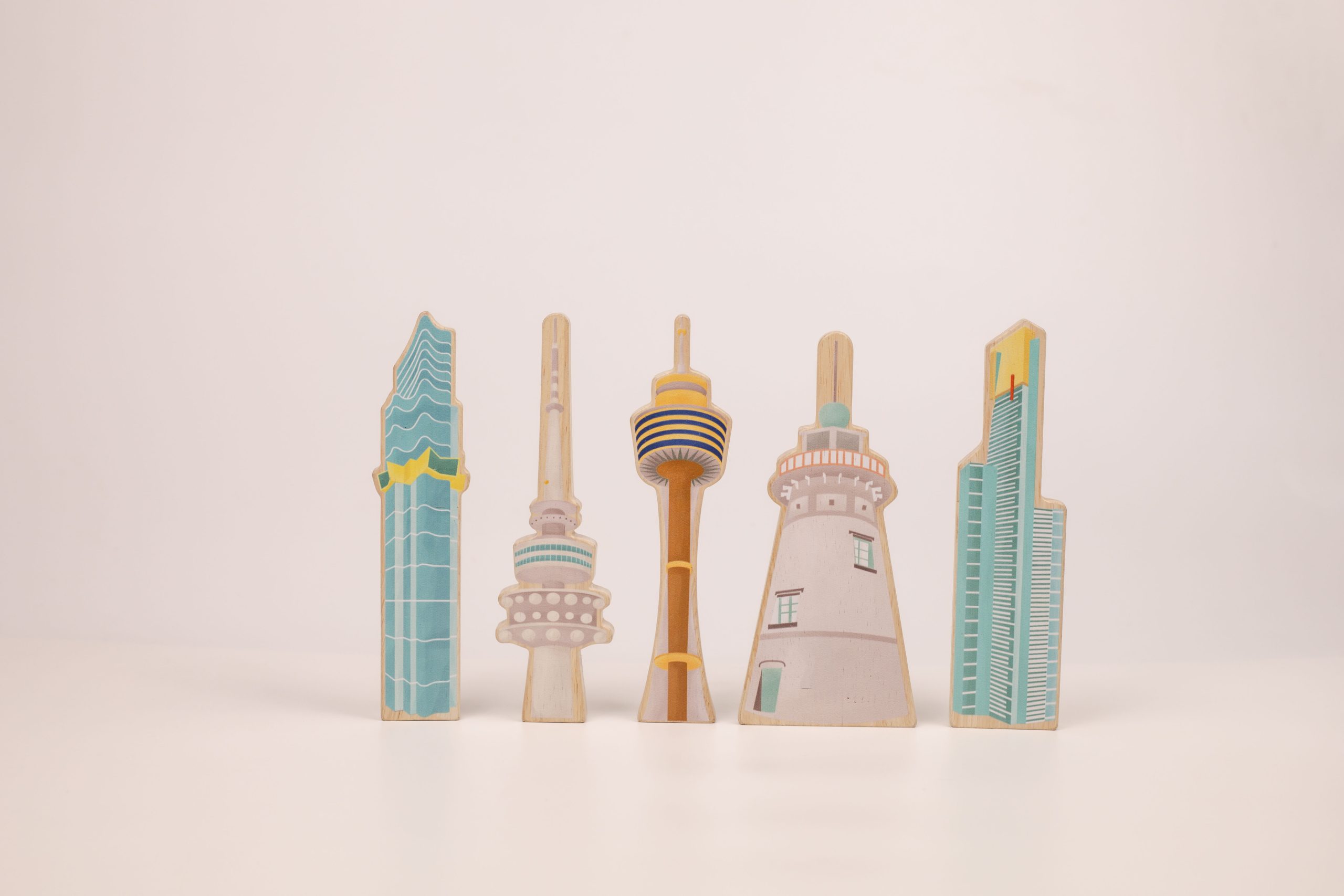
While the animals roam the carpet, the skyline rises. The Australian Iconic Buildings Set introduces children to the “E” in STEM: Engineering.
Featuring landmarks like Melbourne’s Eureka Tower, Sydney’s Tower Eye, and Brisbane’s Old Windmill, this set moves beyond simple blocks to explore complex architectural forms.
- STEM Value: Children explore balance, structure, and design. They learn that not all buildings are square; some are needles (Telstra Tower), and some are round (The Old Windmill). Why do tall buildings need a wide base? How do we stack them so they don’t fall?
- Cultural Value: These aren’t generic castles; they are the places children see out their car windows. Recognizing the Australia 108 starburst or the distinct shape of the Q1 connects them to their local geography and history.
 Solving the “Problem”: An Educator’s Guide (EYLF Links)
For Early Childhood educators and proactive parents, finding resources that tick multiple curriculum boxes can be difficult. Here is how this “Nature & City” pair resolves common educational hurdles, aligned with the Early Years Learning Framework (EYLF).
| The Problem | The Qtoys Solution | EYLF Outcome Link |
| “My child doesn’t connect with generic toys.”Standard blocks don’t spark recognition or conversation about the child’s actual life. | Real-World RecognitionBy using recognizable Australian icons (animals & buildings), children connect play to their lived experience (“I saw that tower!”). | Outcome 2: Children are connected with and contribute to their world (Sense of Place). |
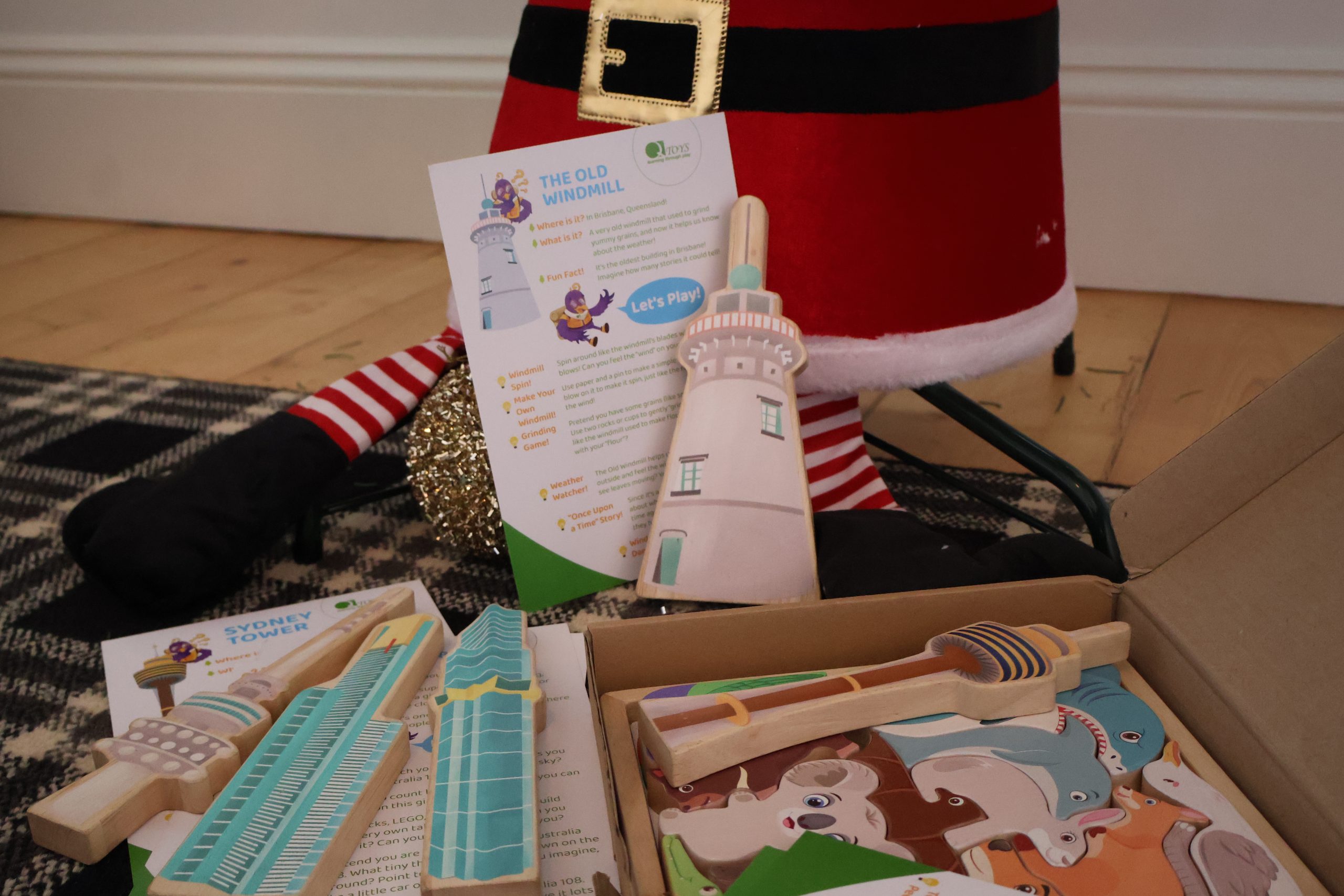
| “How do I teach STEM without screens?”Parents often struggle to teach complex concepts like engineering or biology without resorting to iPad apps. | Tactile InquiryThe activity cards included in these sets turn play into research. Kids manually test balance (physics) and sort animals by traits (biology) using their hands, not a screen. | Outcome 4: Children are confident and involved learners (Inquiry & Hypothesizing). |
| “We need to bridge the gap between nature and urban living.”Children often view “nature” and “city” as separate, unrelated things. | Integrated PlayCombining both sets allows children to build a realistic world where cities and wildlife coexist. It sparks conversations about urban encroachment and living in harmony with nature. | Outcome 2: Children become socially responsible and show respect for the environment. |
| “Plastic toys feel disposable and lack depth.”Cheap plastic toys often break or offer only one way to play. | Sustainable Open-Ended PlayCrafted from plantation timber, these sets are durable and open-ended. They can be used for stacking, role-play, geography lessons, or small world storytelling. | Outcome 3: Children take increasing responsibility for their own health and physical wellbeing (Fine Motor). |
The Verdict
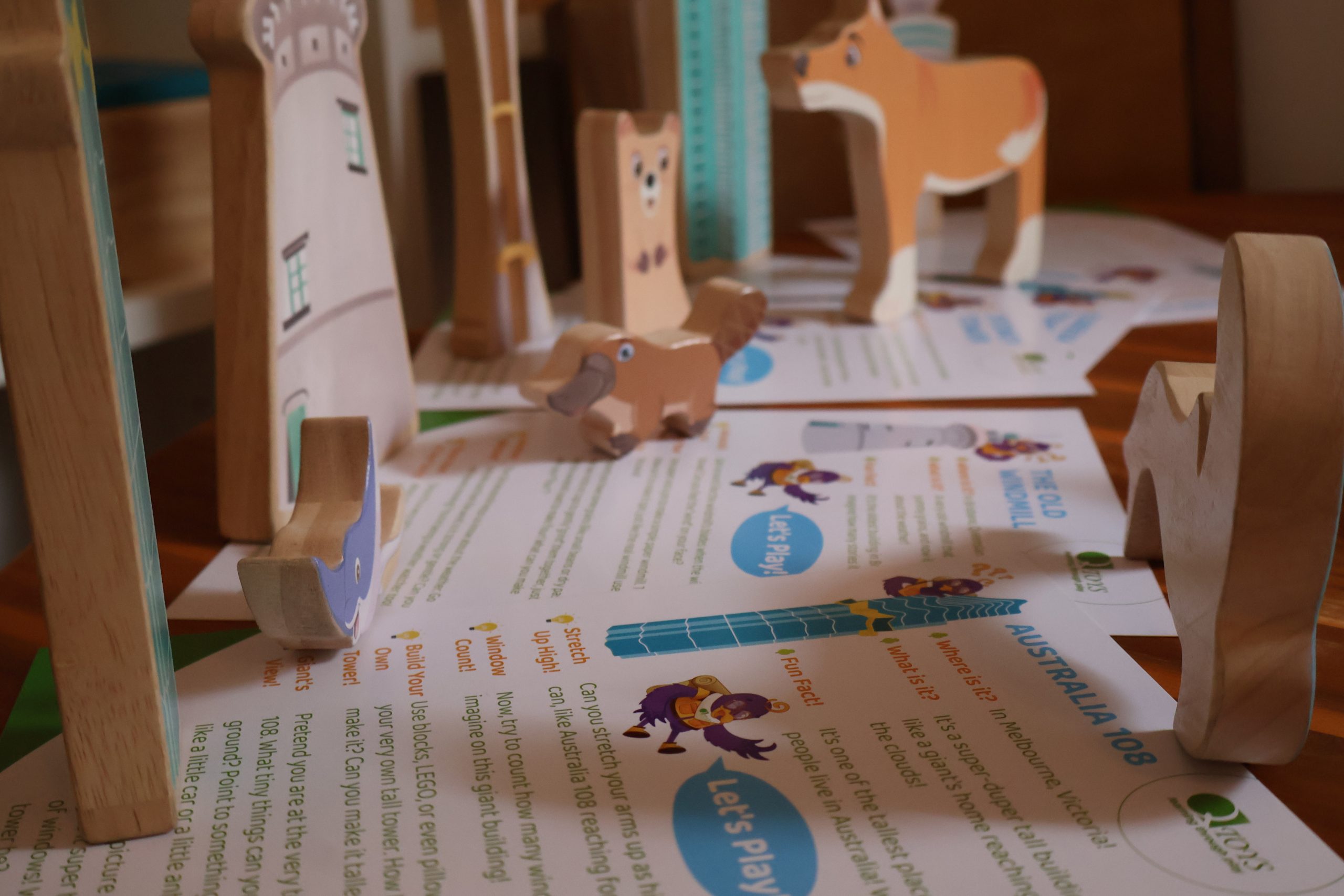 Separately, they are beautiful, educational toys. Together, they are a powerful toolkit for understanding Australia.
By bringing the Australian Wildlife and Iconic Buildings sets into your home or classroom, you aren’t just giving children toys; you are giving them the tools to build their own understanding of the country they call home.
Ready to build your Australian landscape? Shop the collection today.