
 0-1
0-1 1+
1+ 2+
2+ 3+
3+ 4+
4+ 5+
5+
In our modern, high-speed world, childhood is often rushed. We focus heavily on hitting milestones, early academic achievement, and acquiring facts. Yet, amidst this acceleration, a crucial, quieter element of development is often overlooked: reverence.
Reverence in early childhood is not about demanding rigid obedience or enforcing silence. Rather, it is the cultivation of a sense of awe, wonder, and deep respect for the world, nature, and other human beings. It is the foundation upon which a child builds their relationship with life itself.
The Steiner Perspective: A Foundation for Knowledge
Rudolf Steiner, the founder of Waldorf education, placed immense weight on the role of reverence in the first seven years of life. He argued that before a child can learn to judge, analyze, or critique the world, they must first learn to love and respect it.
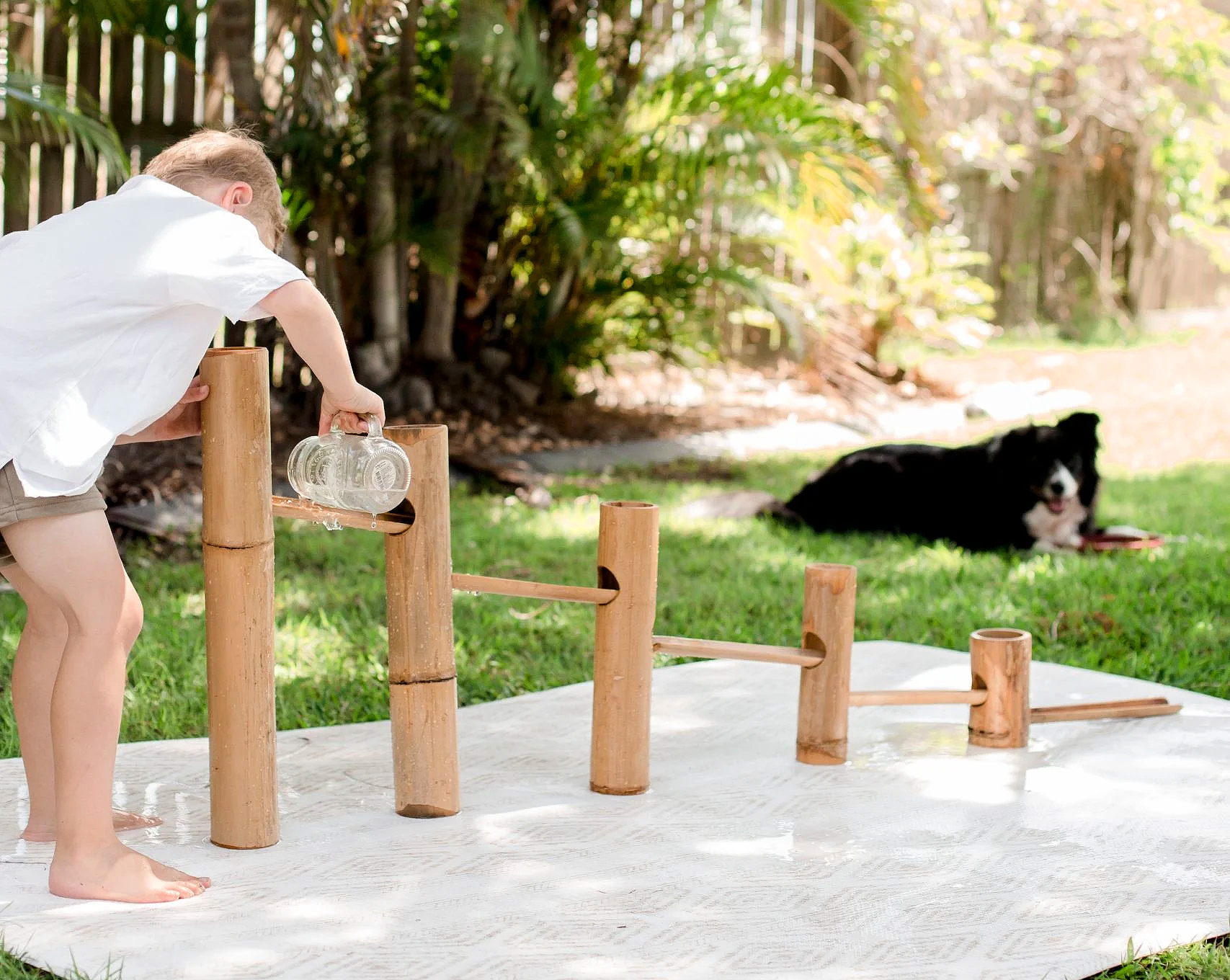 Steiner captured this sentiment beautifully when he wrote:
“To a child the world is largely unknown; if we are to guide him toward knowledge and sound judgment, the best way is to awaken in him a feeling of reverence toward it. By doing so we can be sure that he will experience fullness in every walk of life.”*
This quote suggests that knowledge without reverence is hollow. If a child views the world merely as a collection of objects to be used or problems to be solved, they miss the “fullness” of the human experience. Reverence opens the heart, making the mind more receptive to true learning.
What Does Reverence Look Like in Practice?
For a young child, reverence is often synonymous with wonder. It is the ability to pause and observe a beetle crawling across a leaf, the care taken when handling a beloved storybook, or the quiet moment before a meal is eaten.
Here is how reverence manifests in early development: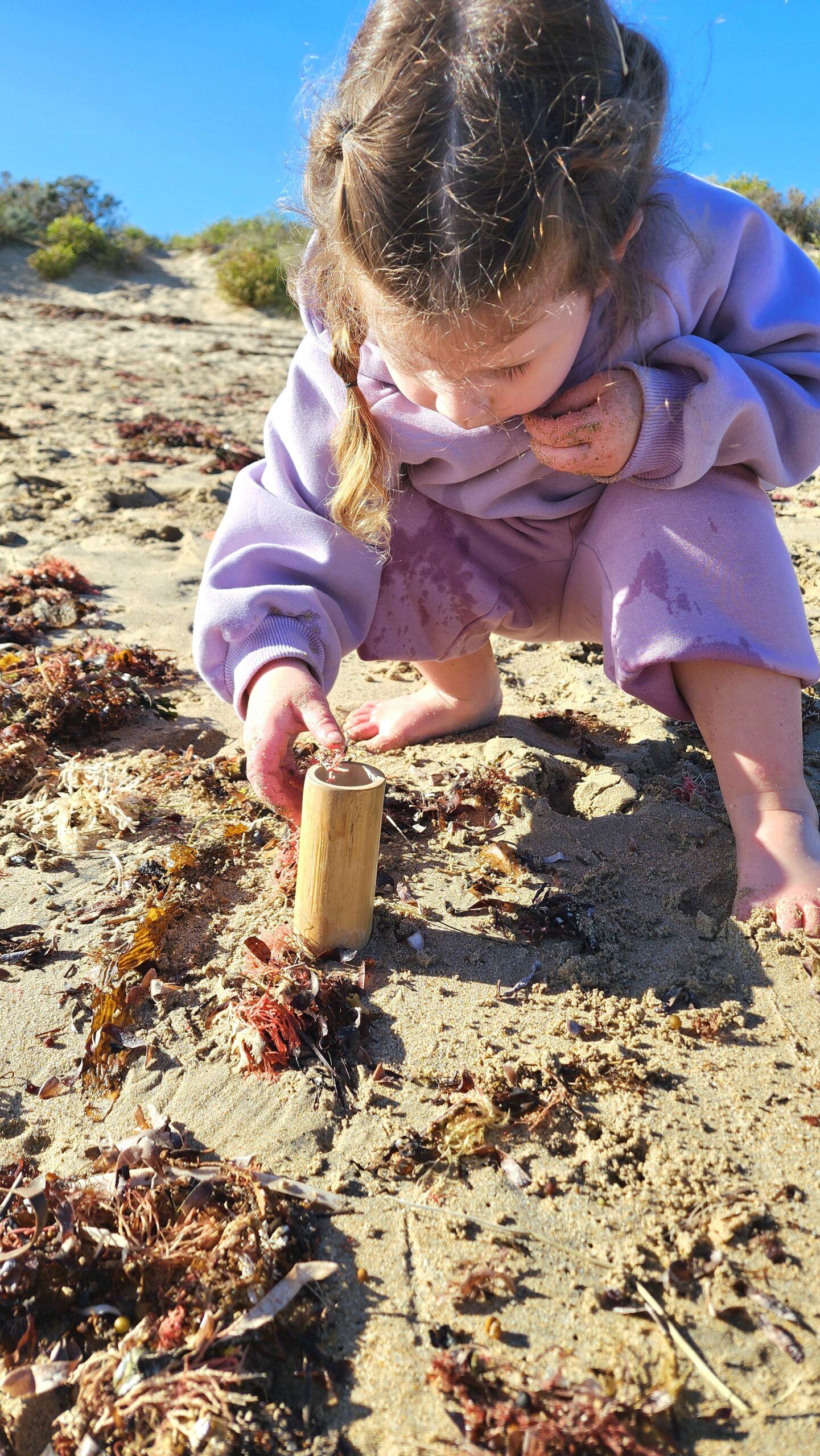
- Connection to Nature: Children naturally find awe in the natural world. Encouraging this—by stopping to watch a sunset or gently holding a seed—teaches them that they are part of a larger, living system.
- Imitation of Adults: Children learn reverence primarily through imitation. If a parent handles objects with care, listens intently when others speak, and treats the environment with respect, the child absorbs these behaviors without a single lecture.
- Rhythm and Ritual: Predictable rhythms (like a bedtime song or lighting a candle at dinner) create a “container” of safety and sanctity. These small rituals elevate mundane moments into something special, fostering a sense of gratitude.
The Bridge to Higher Growth
Reverence is not just about a happy childhood; it is a scaffolding for adulthood. When a child learns to look up to what is noble and true in the world, they develop the inner strength to eventually trust their own self-feeling.
 Steiner expanded on this connection between inner feeling and outer growth:
“Reverence, consisting of devotion and love, provides the means we seek. When these feelings are imbued with the right kind of self‑feeling, they become steps that lead to ever‑greater heights.”
This insight reveals that reverence is the precursor to healthy self-esteem. By learning to value the world outside themselves, children eventually learn to value the world inside themselves. It transforms “devotion and love” into the capacity for ethical leadership, empathy, and creative thinking later in life.
Conclusion: Slowing Down to See 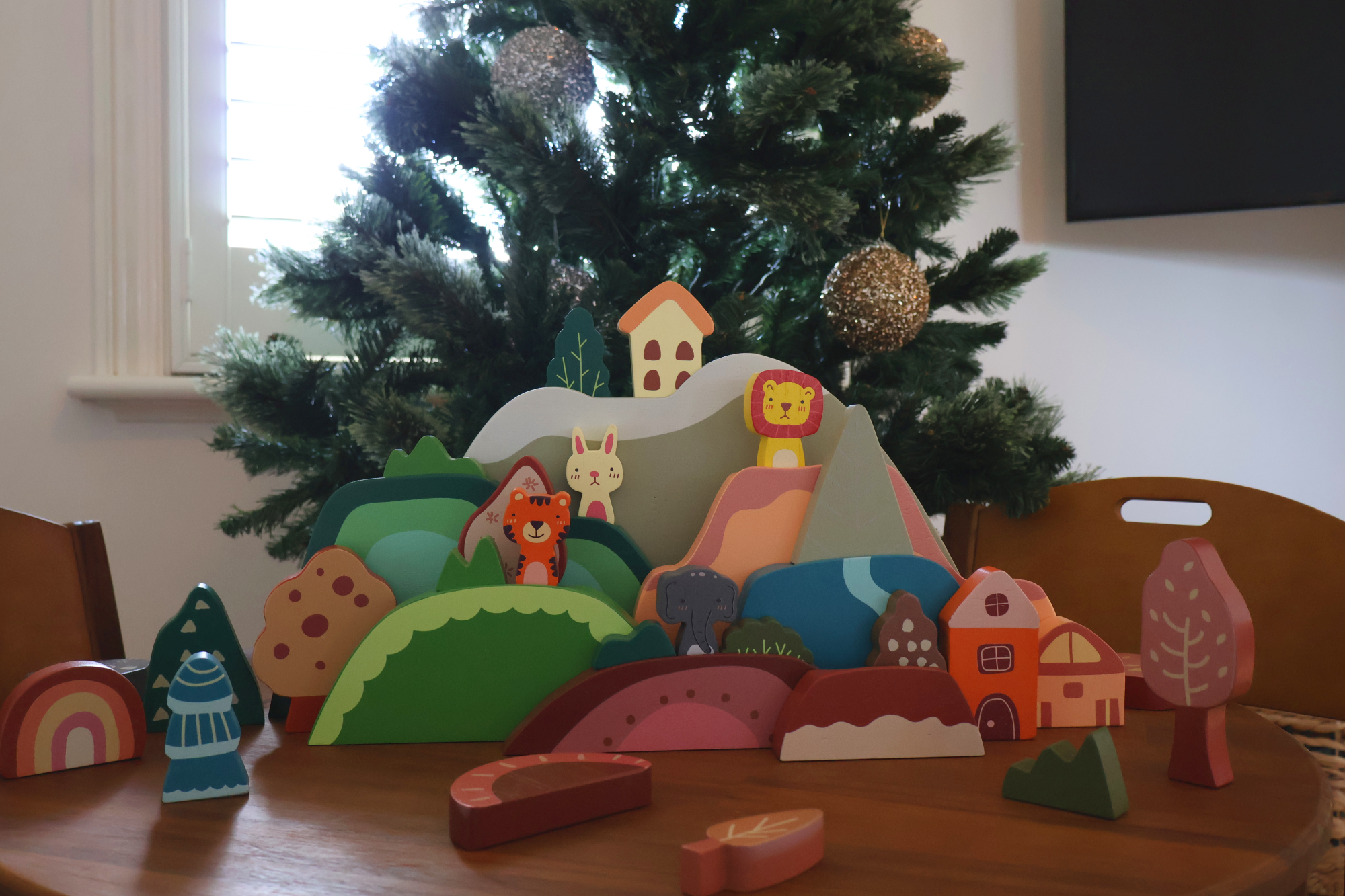
Fostering reverence requires us, as adults, to slow down. It asks us to protect the child’s sense of wonder from the barrage of cynicism and over-stimulation that characterizes much of modern life.
By nurturing this quiet capacity for awe, we give children a protective layer. We ensure that when they
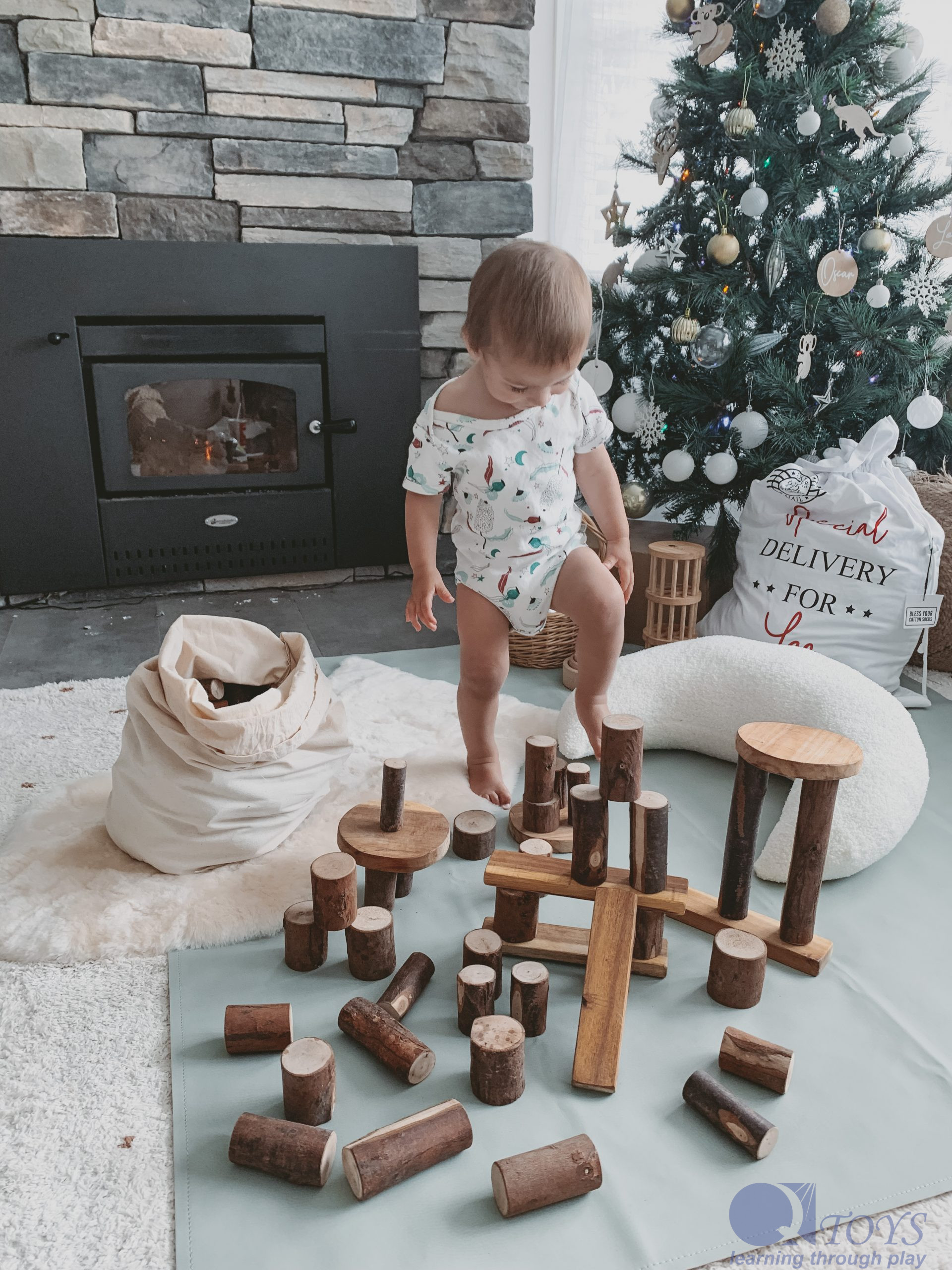
Tree Blocks 106 pcs
eventually step out to conquer the “unknown world,” they do so not with arrogance or fear, but with a grounded sense of love and a deep, abiding respect for life.
For parents seeking tools to support this journey, collections like the QToys Nature Wonder Play Set or their Steiner-inspired tree blocks offer a tangible way to bring nature indoors. By giving children toys that require care, balance, and imagination, we honour their innate capacity for wonder.”