
 0-1
0-1 1+
1+ 2+
2+ 3+
3+ 4+
4+ 5+
5+
In the realm of childhood development, play is far more than a pastime—it is a magical gateway to growth. It is the research lab of the child, a dynamic teaching tool where the architecture of the brain is built. At QToys, we believe that toys are the tools for this essential work.
Our design philosophy is rooted in a Holistic Approach to Education, specifically focusing on the MESH framework: Mental, Emotional, Social, and Health (Physical) development.
Here is how the QToys collection nurtures the “Whole Child” through these four vital pillars.
1. M for Mental: Cognitive Growth & Creativity
Aligns with: Improving Cognitive Abilities & Fueling Creativity
Play is a mental workout. It challenges children to make decisions, plan ahead, and think outside the box. When a child engages with open-ended materials, they aren’t just moving objects; they are engineering solutions.
The QToys Difference: We design toys that require active thinking rather than passive observation.
-
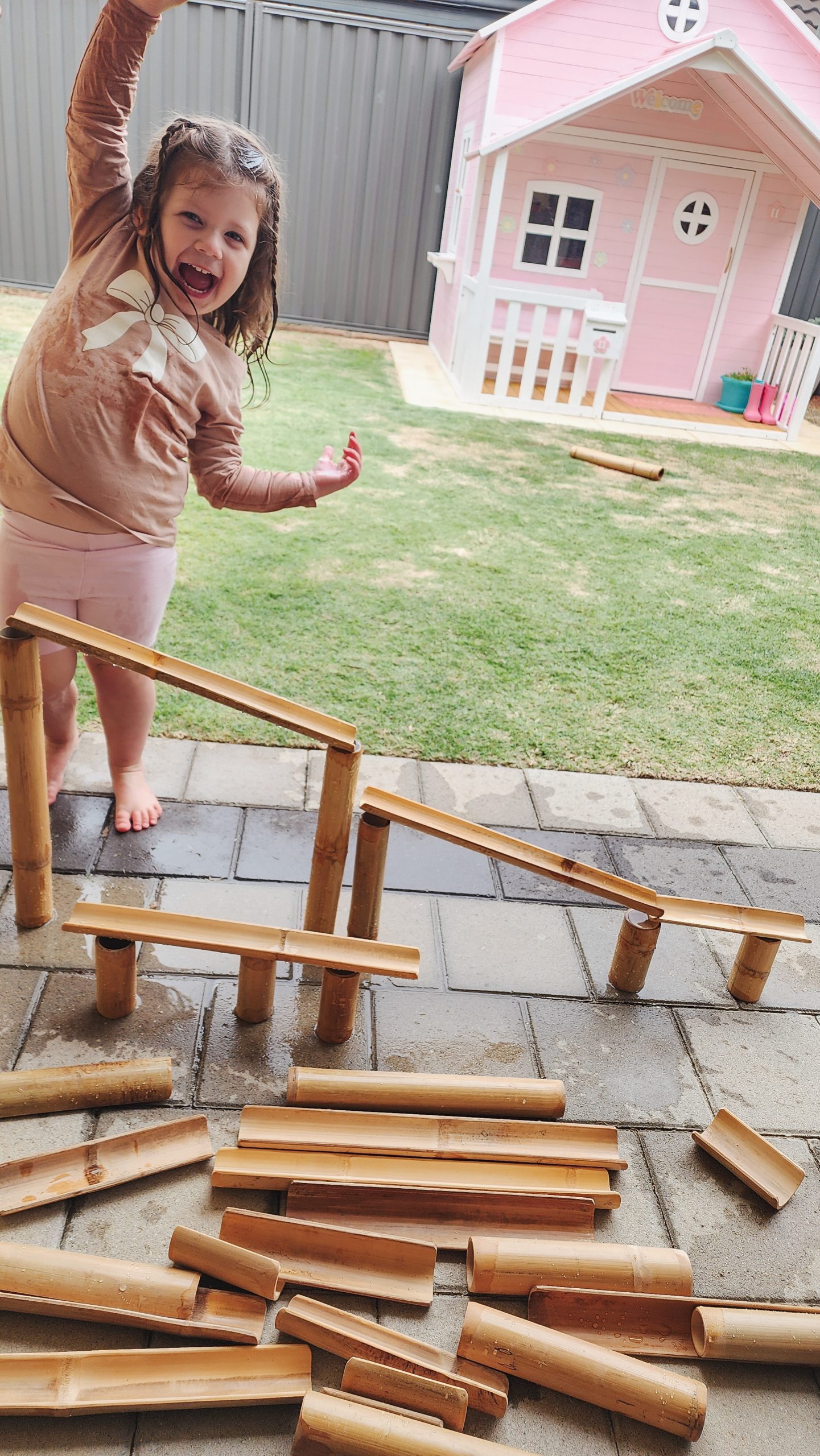
For Cognitive Planning: The QToys Bamboo Marble Run. As children piece together the tracks, they are engaging in early physics and engineering.
 They must predict the path of the marble, test their hypothesis, and problem-solve when the marble falls off. This sharpens planning skills and logical reasoning.
 -
For Fueling Creativity: The Natural Tree House Set. Unlike a plastic dollhouse with fixed rooms, our organic tree houses offer open platforms. The child must imagine where the kitchen is, where the fairies sleep, and how the branches connect. This allows innovative ideas to take root, shaping the creative thinkers of tomorrow.
2. E for Emotional: Processing & Expressing Feelings
Aligns with: Processing and Expressing Emotions
Children often lack the vocabulary to say, “I feel overwhelmed.” Instead, they play it out. Play acts as a safe canvas for navigating their emotional landscapes. In this imaginative realm, they gain the tools to understand and manage their feelings effectively.
The QToys Difference: Our toys are often “unformed” or neutral in expression, allowing the child to project their own emotions onto the object.
-
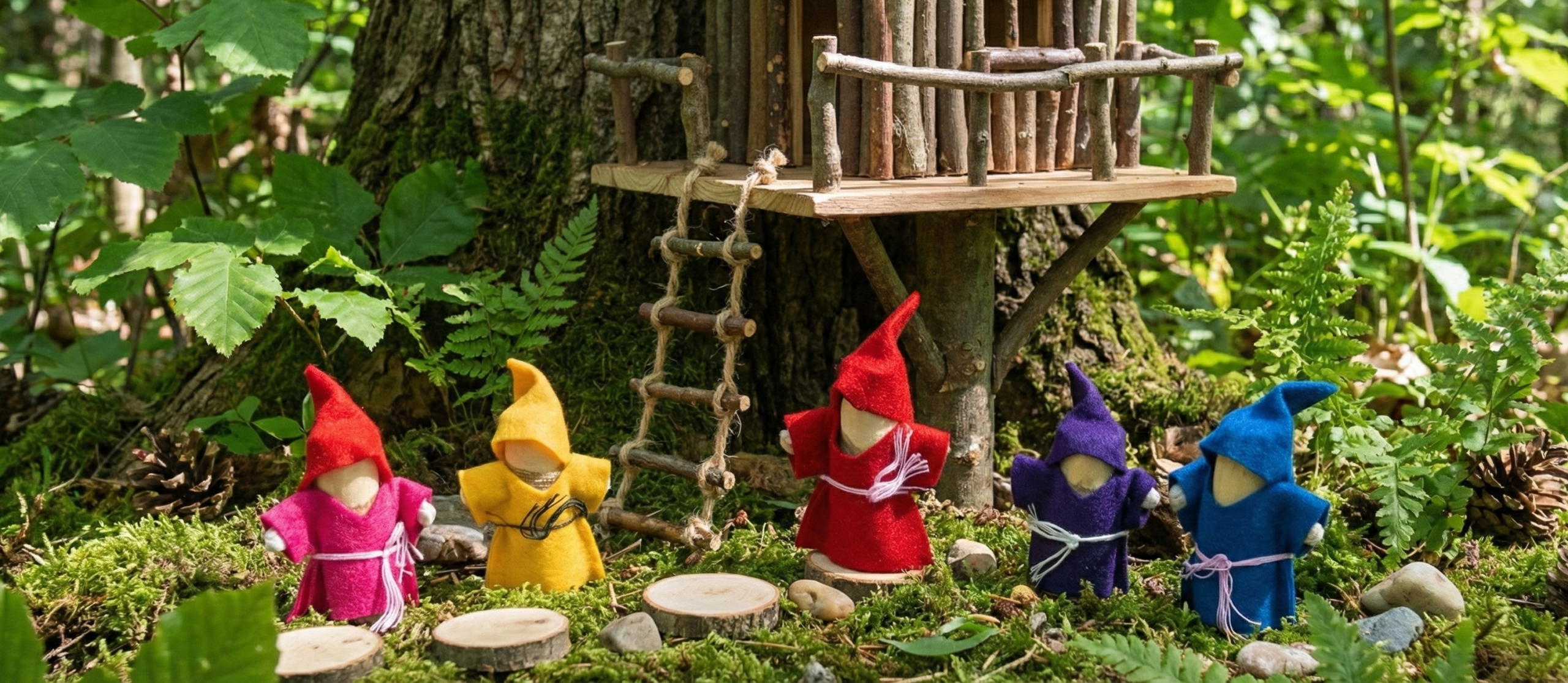
The Emotional Tool: QToys Wooden Gnome Family. Because these figures have minimal or no facial features, a child can decide if the gnome is happy, sad, or angry. If a child is processing a conflict from school, they can use the gnomes to reenact the scene, gaining mastery over the situation and finding emotional release.

3. S for Social: Communication & Connection
Aligns with: Enhancing Social Skills & Honoring Communication Skills
Through cooperative play, kids learn the vital skills that bind society together: negotiation, empathy, and reading body language. Playing with others is a masterclass in communication.
The QToys Difference: We create toys that are large enough and complex enough to encourage group play.
-
The Social Builder: QToys Large Block Sets. When two children build a tower together, they must communicate. “Pass me the square block,” or “No, put that one on the bottom.” They learn to decipher facial expressions (is my friend happy with this design?) and practice the art of turn-taking.
-
The Empathy Builder: QToys Pretend Play Food Sets. When a child “serves” tea or soup to a parent or friend using our wooden sets, they are practicing care-taking. They are stepping outside their own ego to consider the needs of another, which is the foundation of empathy.
4. H for Health: Physical Skills & Well-being
Aligns with: Developing Physical Skills
Finally, play is the playground for the body. It fosters the coordination and healthy habits that set the stage for a lifetime of well-being. From fine motor dexterity to gross motor balance, active play is essential for physical health.
The QToys Difference: We use natural weight and textures to provide better sensory feedback to the muscles and brain.
-
For Gross Motor Skills: The QToys Balance Board. This simple curve offers endless active fun. Balancing on it strengthens the core, improves vestibular processing (the sense of balance), and encourages an active lifestyle.
-
For Fine Motor Skills: QToys Lacing and Threading Toys. The act of pushing a wooden needle through a specific hole requires intense hand-eye coordination. This prepares the small muscles of the hand for holding a pencil and writing later in school.
The Takeaway
Play isn’t just “child’s play”—it is the genius behind building well-rounded, confident, and capable individuals. By choosing QToys, you aren’t just buying a wooden object; you are investing in your child’s MESH development, ensuring they have the skills to thrive physically, emotionally, socially, and mentally.
Ready to support your child’s holistic growth? Explore the QToys collection today.