
 0-1
0-1 1+
1+ 2+
2+ 3+
3+ 4+
4+ 5+
5+
Every parent knows the frustration: You buy a flashy new toy, your child plays with it for a week, and then it sits gathering dust. The problem isn’t the child—it’s the toy. Most commercial toys are designed with a single, static function. Once a child masters that function (pushing the button, watching the lights), they naturally “grow out” of it.
The solution isn’t buying more toys; it’s buying toys that grow with the child.
At Qtoys, we design open-ended, eco-friendly wooden resources that solve this problem through a fundamental shift in interaction. The long-term value of these objects is proven by the way a child’s interaction with the same object evolves fundamentally over time. Instead of being merely “played with,” these toys are “grown into,” supporting a journey from concrete physical manipulation to sophisticated abstract thought and social complexity.
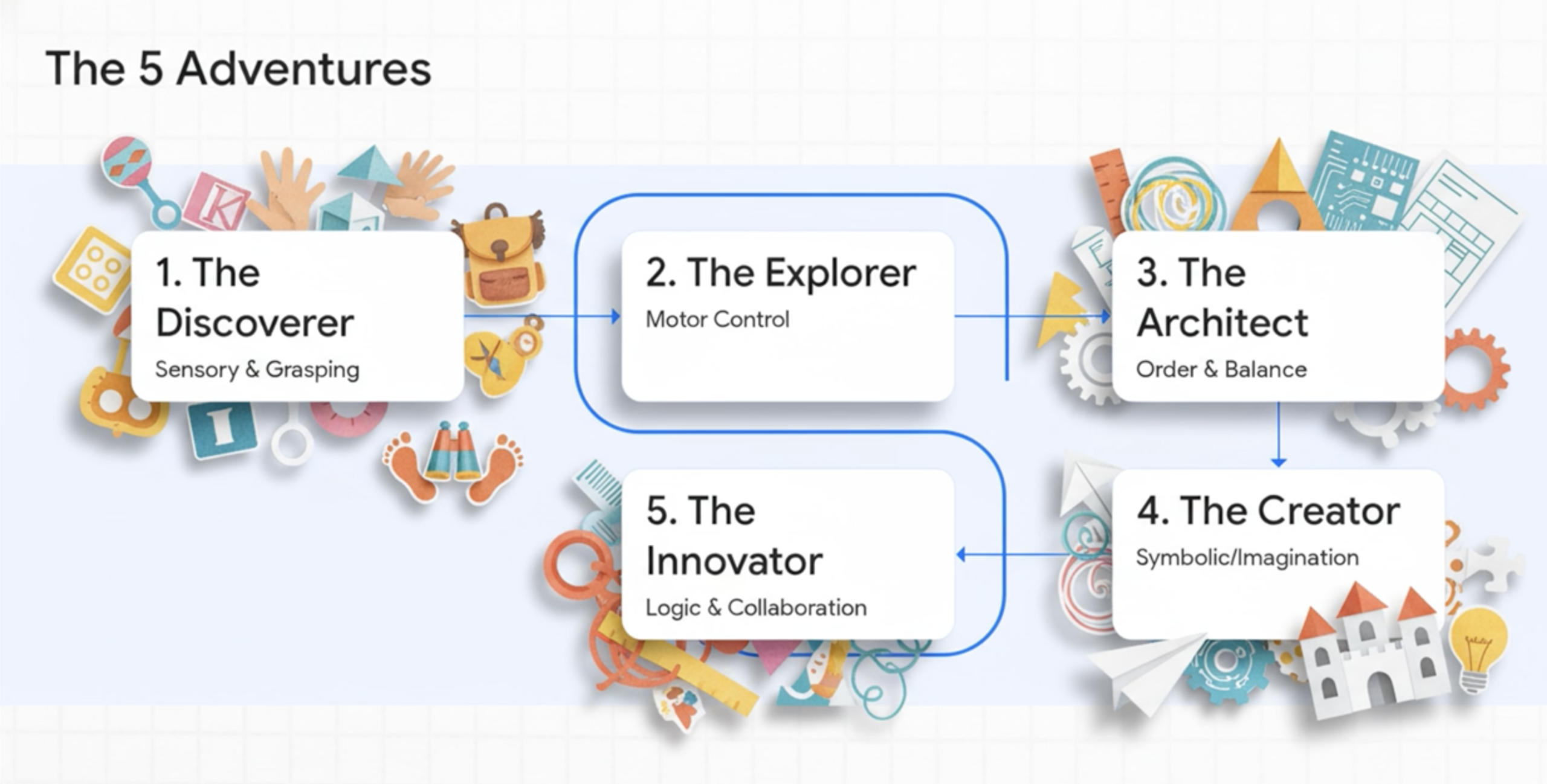
Here is how a single Qtoys collection can serve your child through three distinct developmental eras.
- The Foundation: Physical Properties (0–2 Years)
Developmental Stages: The Discoverer & The Explorer
In the first two years, a child’s interaction focuses almost exclusively on the physical properties of an object.
- The Discoverer (0–12m): The arc begins with sensory exploration and grasping. At this stage, a child needs to understand object permanence and texture.
- The Explorer (12–24m): Play evolves into physical manipulation and motor control.
The Qtoys Solution: At this stage, a Qtoys Wooden Rattle or Rainmaker (or the mini rainmaker) isn’t just a noise-maker; it is a tool for sensory mastery. A baby explores the smooth texture of the sustainable timber and the sound of the wooden beads (Sensory & Grasping). Later, as “The Explorer,” they use the same object to test cause-and-effect, mastering their motor control to shake, roll, or transfer the item between hands.
The Object Permanence Box is specifically designed for this transition, helping infants understand that objects exist even when unseen.
- The Structure: Cognitive Organization (2–3 Years)
Developmental Stage: The Architect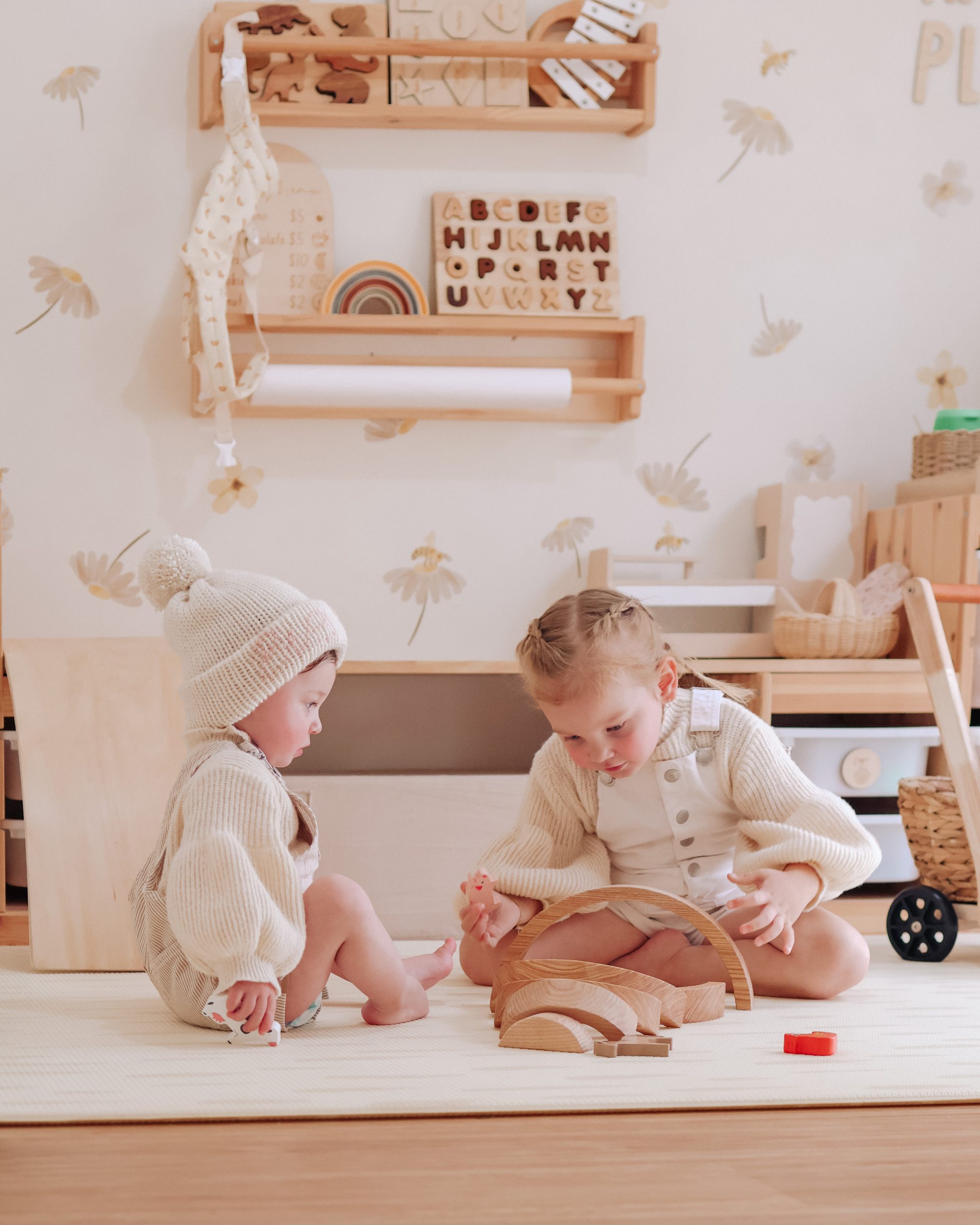
Between ages two and three, the interaction shifts toward cognitive organization. The child is no longer just holding the block; they are organizing it. Play matures into structural ordering and precision.
The Qtoys Solution: The same Large Natural Stacking Blocks or Nesting Boards that served as sensory objects earlier now become tools for “The Architect”. The child begins to categorize them by size, stack them in precise orders, and balance them carefully. This is goal-oriented constructive play where the child learns about gravity, balance, and sequence—laying the groundwork for logical thinking.
- The Imagination: Abstract Thought & Social Negotiation (3+ Years)
Developmental Stages: The Creator & The Innovator
The ultimate shift occurs when the toy transcends its physical form to facilitate abstract thought and social negotiation.
- The Creator (3–4 Years): The object fosters abstract symbolic play. A wooden block is no longer just a block; it becomes a phone, a car, or a sandwich.
- The Innovator (4+ Years): Play progresses to complex, collaborative engineering. This requires logic and negotiation among peers to build elaborate structures together.


The Qtoys Solution: This is where the true value of open-ended design shines. The Jumbo Rainbow blocks or generic construction sets are now used for complex storytelling and engineering. Children use the blocks to create “cities” or “inventions,” negotiating with friends about the design (“You build the bridge, I’ll build the tower”). The toy has become a vessel for their imagination and social development, supporting skills that will serve them for life.
The Verdict
When you choose a toy that is “grown into,” you aren’t just saving money on future purchases; you are providing a consistent tool that adapts to your child’s expanding mind. From the sensory grasping of an infant to the collaborative engineering of a preschooler, Qtoys are designed to be the silent partner in your child’s development for years, not just weeks.