
 0-1
0-1 1+
1+ 2+
2+ 3+
3+ 4+
4+ 5+
5+
You’ve likely read the books on pregnancy, prepared the nursery, and packed the hospital bag. But there is a crucial phase of development that often catches new parents by surprise: The Fourth Trimester.
This period—the first 12 weeks of a newborn’s life—is a time of immense transition. It is the bridge between the cozy, contained safety of the womb and the bright, expansive openness of the outside world.
Understanding this transition isn’t just about survival mode; it’s about recognizing your baby’s biological needs. By understanding the sensory experience of the womb, we can use specific tools—like tactile wooden toys—to help our little ones feel grounded, safe, and ready to learn.
What is the Fourth Trimester?
Coined by pediatric experts, the term “Fourth Trimester” describes the idea that human babies are born essentially “early” compared to other mammals. Their brains are rapidly developing, but they are physically helpless.
For nine months, your baby existed in a sensory-rich environment:
-
Touch: Constant containment and warmth (“hugs” from the uterine walls).
-
Sound: The rhythmic whoosh of the mother’s heartbeat and muffled outside noises.
-
Movement: Constant swaying as the mother moved.
Suddenly, they enter a world that is often silent, still, cold, and blindingly bright. It is a sensory shock. The goal of the Fourth Trimester is to gently replicate the sensations of the womb to help the baby self-regulate and feel secure.
Bridging the Gap with Sensory Toys
While we often think of “toys” as things for older children to play with, sensory tools are vital for newborns. However, not all toys are created equal.
A newborn’s nervous system is fragile. Loud, flashing, plastic electronic toys can easily overstimulate a baby, leading to distress. This is where natural, wooden sensory toys—specifically those inspired by Montessori philosophies—shine. They offer passive stimulation, allowing the baby to discover sound and touch at their own pace.
Why We Love Qtoys for the Fourth Trimester
When choosing sensory aids for this delicate phase, we highly recommend Qtoys. As an Australian-owned brand dedicated to eco-friendly practices, Qtoys designs products that champion natural materials.
Here is why Qtoys are the perfect companion for the womb-to-world transition:
1. The “Temperature” of Wood vs. Plastic In the womb, everything is warm and organic. Plastic toys can feel cold and synthetic. Qtoys are crafted from sustainable plantation timber (Rubberwood and Acacia). Wood creates a tactile experience that is warm, textured, and grounding—much more comforting for a baby who is just learning to use their sense of touch.
2. Gentle Auditory Stimulation Your baby loves sound, but they need gentle rhythms. Qtoys rattles and rainmakers produce soft, organic “clacking” and “whooshing” sounds rather than the harsh, digital beeps of battery-operated toys. These natural sounds are closer to the white noise experienced in the womb.
3. Safety First In the Fourth Trimester, babies explore with their mouths almost as much as their hands. Qtoys are finished with non-toxic, child-safe oils and waxes, ensuring that your baby’s first introduction to the world is free from harmful chemicals.
Top Qtoys Recommendations for the Early Days
Here are our top picks from the Qtoys Deluxe Baby Range to help bridge the sensory gap:
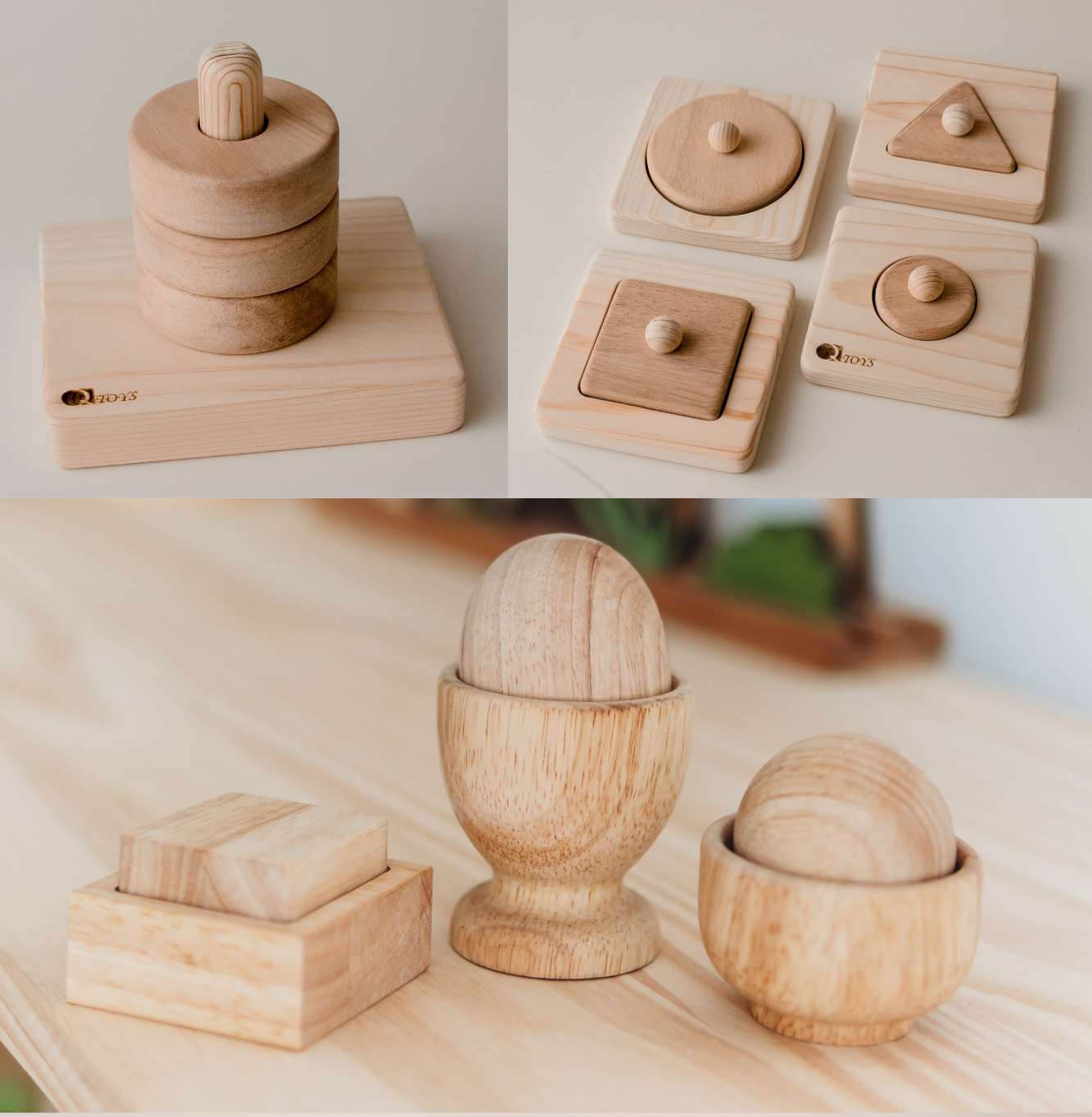
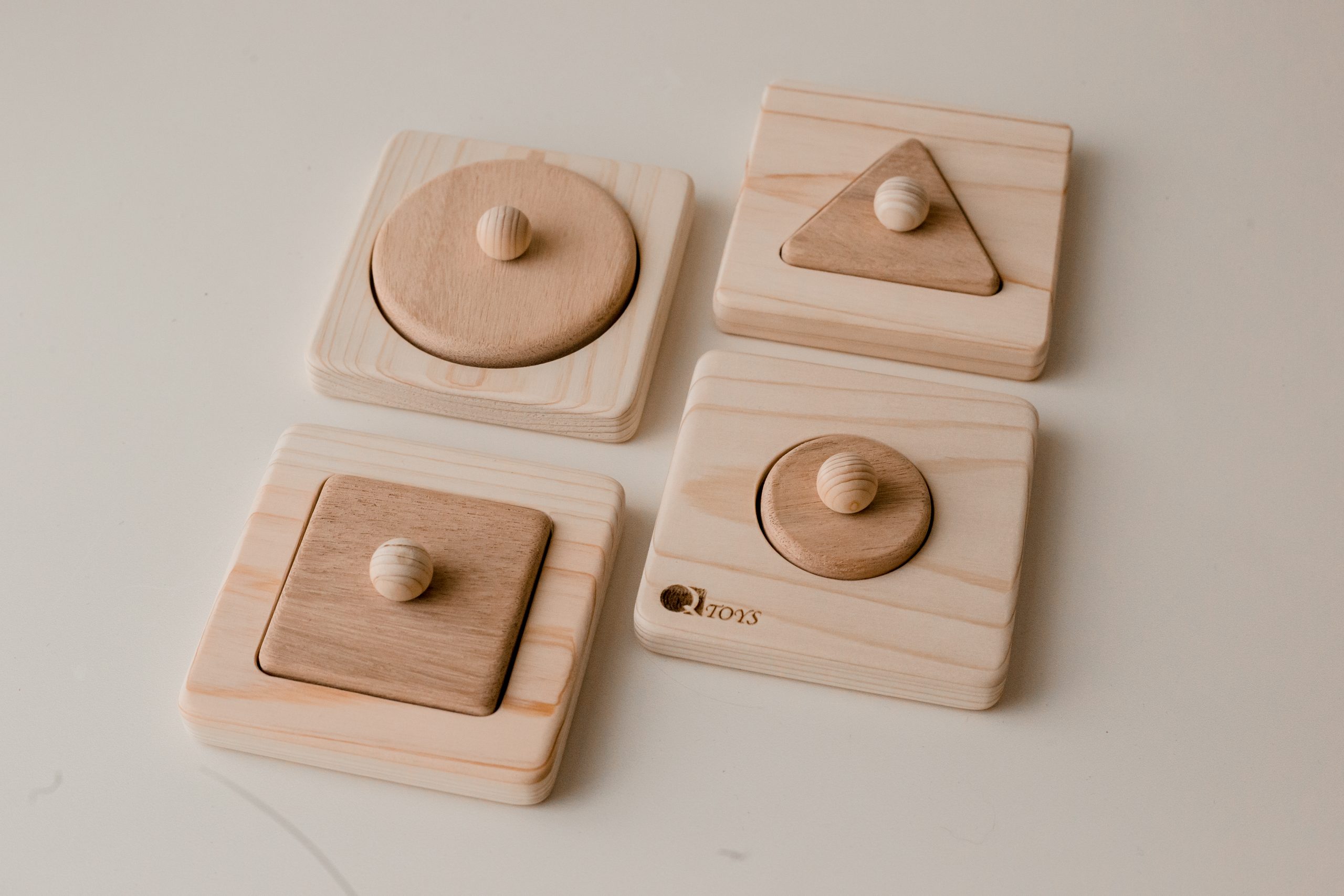
1. The Wooden Rainmaker (Mini)

-
Why it helps: The sound of falling rain is incredibly soothing to newborns. It mimics the “shushing” sound of blood flow in the womb.
-
How to use it: You don’t need to give this to the baby to hold yet. Simply sit near them while they are in their bassinet or during tummy time and slowly turn the rainmaker. The gentle auditory feedback can help calm a fussy baby.
2. The Qtoys Grasping Rattle 

-
Why it helps: As your baby moves toward the 8-12 week mark (the end of the fourth trimester), their grasp reflex begins to turn into voluntary reaching.
-
How to use it: This rattle is designed for tiny hands. The natural wood texture provides “grip,” and the gentle rattle rewards their movement without startling them. It encourages the very first steps of hand-eye coordination.
 3. Montessori Interlocking Discs

-
Why it helps: This is a classic developmental toy. Around 2-3 months, babies begin to transfer objects from hand to hand.
-
How to use it: The unique shape of the interlocking discs challenges the baby’s wrist rotation and grasping skills in a way that standard round rattles do not. It is a perfect tool to introduce as your baby “wakes up” to the world at the end of the trimester.
A Gentle Conclusion
The Fourth Trimester is messy, beautiful, and exhausting. Remember that you are your baby’s favorite toy—your face, your voice, and your touch are the most important sensory inputs they will receive.
However, having high-quality, natural tools like Qtoys can support you in creating a calm, grounding environment. By choosing wood over plastic and gentle sounds over noise, you make the world a little softer for your new arrival.